Can dan Can't: Menyatakan Kemampuan dan Izin
Pelajari cara menggunakan modal verb can dan can't untuk kemampuan, izin, dan kemungkinan, termasuk perbedaannya dengan could, lengkap dengan contoh dan kuis latihan.
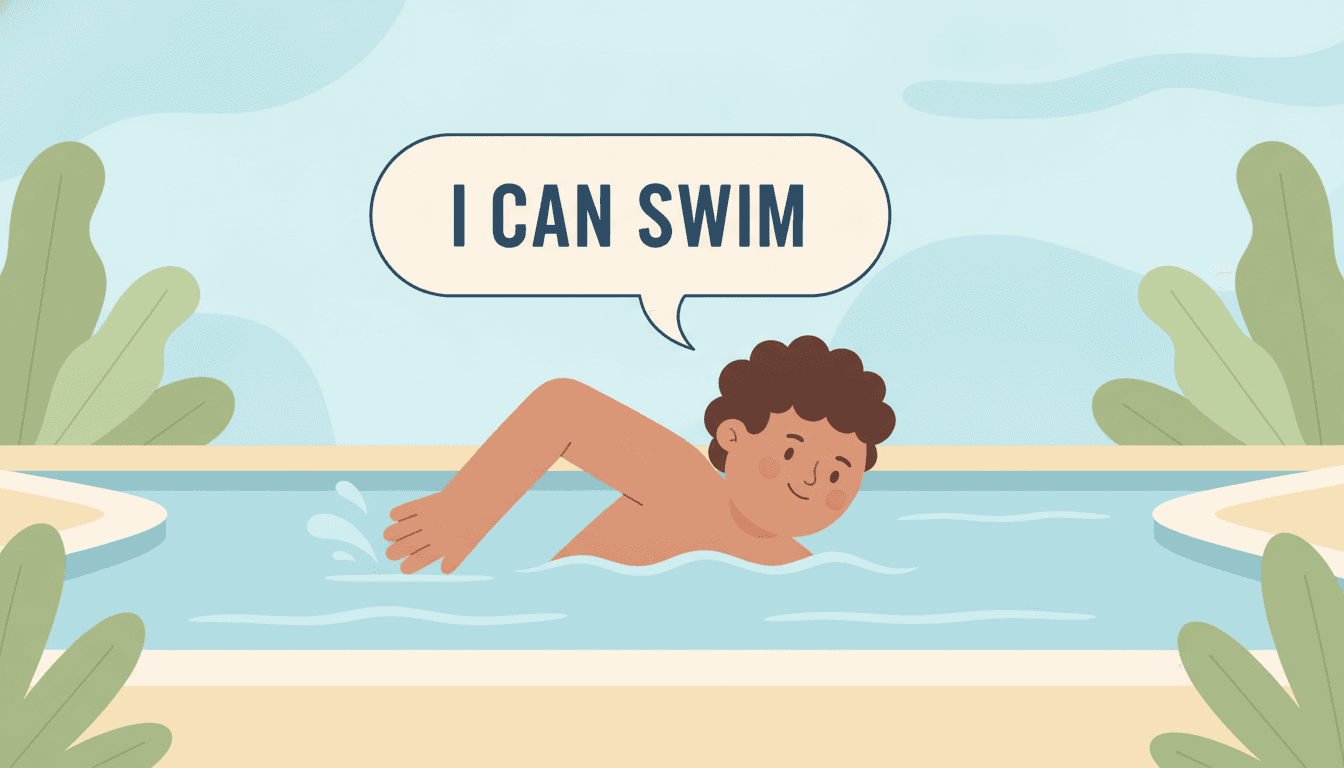
Can adalah modal verb yang digunakan untuk membicarakan kemampuan (apa yang bisa dilakukan seseorang) dan izin (apa yang diperbolehkan).
I can swim. (Aku bisa berenang.)
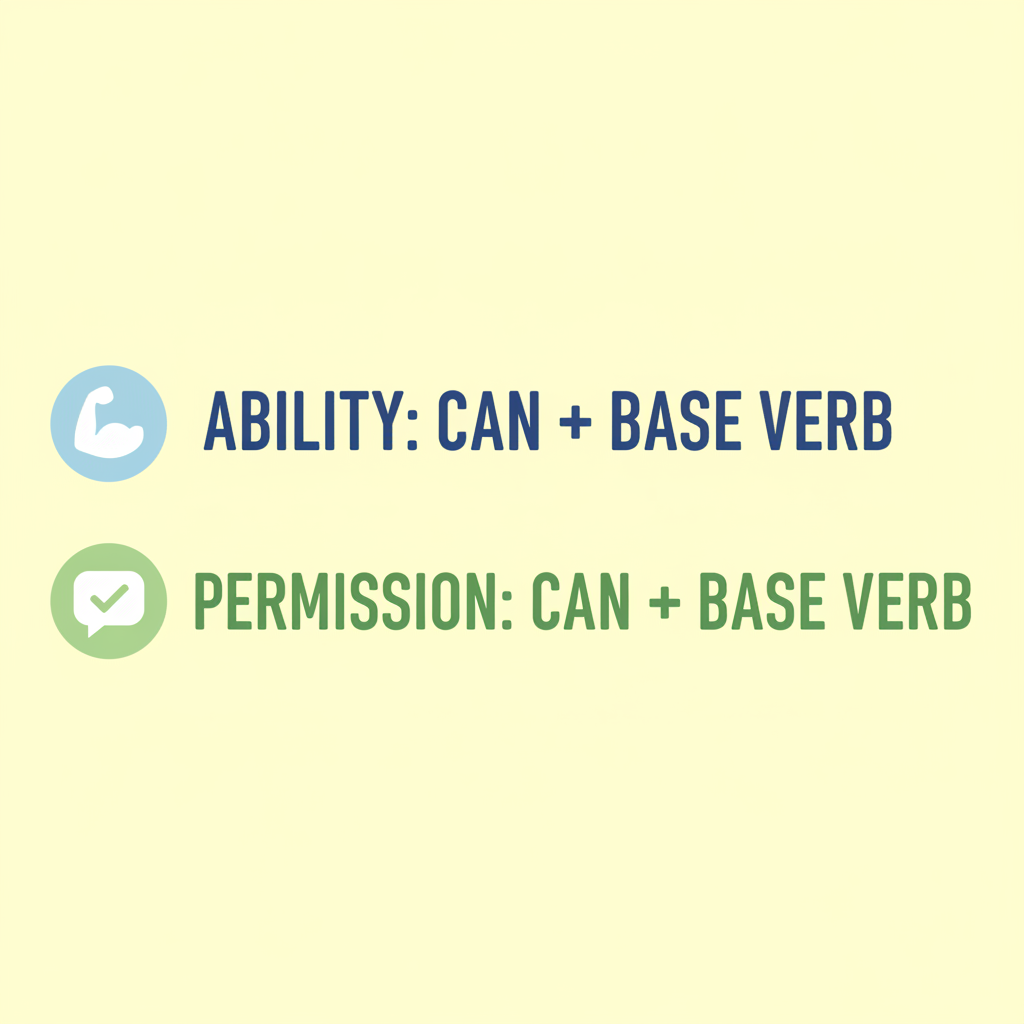
Kemampuan
- She can speak three languages.
- I can't ride a bike. (Aku tidak tahu caranya.)
- Can you cook pasta?
Izin
- You can leave early today. (diperbolehkan)
- Can I use your phone?
- You can't park here. (tidak diperbolehkan)
Kemungkinan
- It can get very cold here in winter.
- Anyone can make a mistake.
Struktur
Can tidak pernah berubah bentuk dan selalu diikuti oleh kata kerja dasar (tanpa to).
- ✅ She can swim.
- ❌ She can to swim.
- ❌ She cans swim.
Could: bentuk yang lebih sopan/lampau
Gunakan could untuk bertanya lebih sopan, atau membicarakan kemampuan di masa lalu.
- Could I borrow your pen? (lebih sopan daripada "Can I")
- When I was young, I could run very fast. (kemampuan di masa lalu)
Kesalahan umum
- ❌ "She can to drive." → ✅ "She can drive." (tanpa to setelah can)
- ❌ "He can swims." → ✅ "He can swim." (kata kerja dasar, tanpa -s)
- ❌ "Can you to help me?" → ✅ "Can you help me?"
Lihat juga: Perbedaan Should, Must, dan Have To
Latihan cepat
0/4 terjawab1. She ______ speak three languages.
2. ______ I use your phone?
3. When I was young, I ______ run very fast.
4. He ______ swim.
Jawab semua 4 soal untuk melihat skormu.
Frequently Asked Questions
What is the difference between can and could?
Can is used for present ability, permission, or possibility, while could is used for past ability or to ask something more politely, e.g. "Could I borrow your pen?"
Is can used for ability or permission?
Both. Can is used for ability ("I can swim"), permission ("You can leave early"), and possibility ("It can get cold here in winter").
Do you use to after can?
No. Can is always followed by the base verb without to — "She can swim," not "She can to swim."
Does can change form for he, she, or it?
No. Unlike regular verbs, can never adds -s for third person — "He can swim," not "He cans swim."